Not that it matters, I suppose. If you’re still out there, pray for me. I got lost somewhere and am trying to find my way back.
Here again
Reply
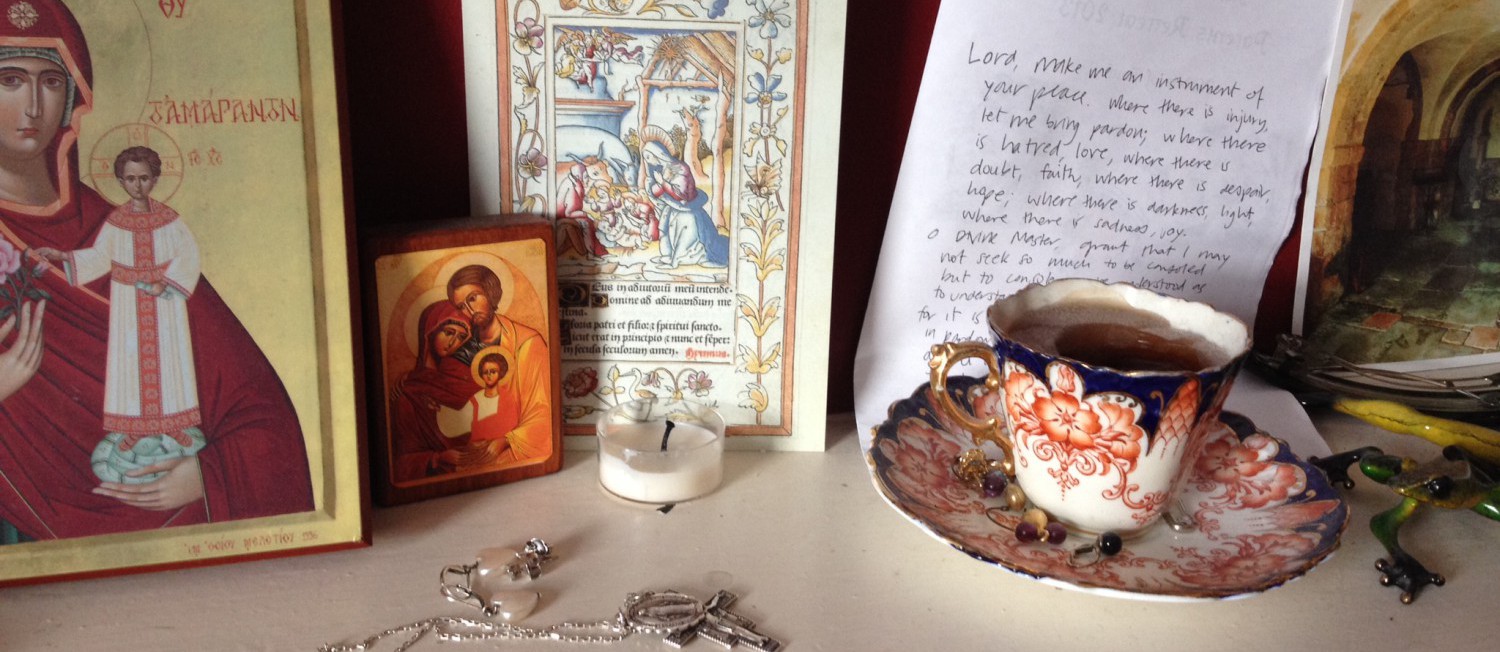
Not that it matters, I suppose. If you’re still out there, pray for me. I got lost somewhere and am trying to find my way back.
if today you hear his voice harden not your hearts.
Not hearing much of anything this week–not beyond the ordinary sounds of a house during my daughter’s half-term break. Half-term for a lone working parent is its own kind of penance, I suppose. It hasn’t helped that she’s been sick, nor that I had a full day of meetings yesterday, nor that I am under a significant amount of pressure from various work-related angles. It also doesn’t help that she has an older sister who demands a considerable amount of attention and help with personal care. All in all, half term is a week that is entirely outwardly-focused and devoid of any time for the solo walks that allow my brain to keep functioning. It is a step beyond penance into the realm of the psyche-destroying and soul-obscuring. Which is where I am now: mentally tangled and soul-obscured.
The thing is, I am uneasy about the obsession with our happiness, the thirst for self-fulfilment that is all but normative in the modern, majority world. I don’t think it is our proper orientation–more like a broken compass that leads us ever astray. The path to happiness and self-fulfilment is not in the pursuit of either of those things. Where I am stuck at the moment is in the process of working out how to live in a way that leads to peace, which is not the same as either happiness or self-fulfilment. Not the same–deeper than either and essential to both. How to find peace in the midst of the stress, as I am pulled in different directions by everything and everyone around me–that’s the question. And I confess that I am no closer to answering it than I was when I first became a mother.
Sigh. It is time, now, to return to the fray and hope I am not pulled apart completely today by the forces that tug me this way and that.
Kyrie eleison.
The solemnity of St Joseph trumps Lent. No purple today; it is not Tuesday of the fourth week of Lent. (In our diocese we observed the solemnity of St Cuthbert, our patron, yesterday.) it is the feast day of St Joseph. His feast day is important enough that it has been translated, as it fell on Lætare Sunday this year.
And it should be given such special attention. ‘When Joseph woke up [from the dream in which the angel of the Lord appeared to him to say that the child in Mary’s womb was conceived by the Holy Spirit] he did what the angel of the Lord had told him to do’–that is, to marry her anyway (Matthew 1.20-21, 24).
Joseph copies God–not that Mary had been unfaithful like Israel with the Golden Calf, or like Hosea’s wife, but in appearance. For how many would have believed Joseph at the time? Whom would he tell, anyway? We are never told that he reported the dream to anyone, though it is a safe bet that he told Mary. Perhaps Mary repeated it to Elizabeth. After all, Elizabeth knew that Mary’s baby was no ordinary child.
To the rest, the world outside, how must it have looked? Either Joseph had known his betrothed before their marriage, or someone else had. I don’t imagine that anyone’s first guess would have been conception by the Holy Spirit. Only after the birth of Jesus did the angels spread the news that Isaiah’s prophecy–which the angel had called to Joseph’s mind–had been fulfilled. Only then did the wise ones rejoice to see the promised child.
But Joseph believed, and it was reckoned to him as righteousness. Rightly does Bernardino of Siena (Sermon 2, on St Joseph: Opera 7, 16. 27-30) suggest we append St Joseph to the litany of the faithful in Hebrews 11. By faith Joseph took Mary to be his wife, trusting the words of the angel of the Lord that Mary’s child would save his people from their sins.
So it is not surprising that Joseph’s foster-child, after being found in the temple by his anxious parents, ‘went down with them and came to Nazareth and lived under their authority’ (Luke 2.51). Like (foster-)father, like son. Elsewhere in Hebrews, we read that Jesus learned obedience: Jesus, the Incarnate Word of Almighty God, who, as God, owed obedience to no one. Yet he learned obedience from two people whose obedience is celebrated in the Church this week: Joseph and Mary. Today we read that Joseph ‘did what the angel of the Lord told him to do’; on Saturday we celebrate the moment Joesph’s betrothed said to the angel: ‘Let it be to me according to your word’ (Luke 1.38).
Mary and Joseph trusted what God’s messengers said to them, and they are our spiritual parents as we have been incorporated into Christ. So we should, as members of the Son they nurtured, honour them as the commandment teaches: ‘Honour thy mother and father.’ Rightly do we celebrate them, righty do these two solemnities interrupt our penance during Lent. The solemnities of St Joseph and of the Annunciation point to the great feast of the Nativity, in which we celebrate the birth of the One born to save his people from their sins by his obedience, even unto death on a cross.
The intermingling of sorrow and joy is the pattern of Christian life. We are pulled from the gloom represented by the purple cloth in the midst of Lent, and we mourn on the solemnities of the martyrs–St Stephen and the Holy Innocents at Christmas and St Mark, St Philip and St James at Easter–during times of celebration. This pattern reminds us that we are living in the time between the dawn of salvation and its consummation. And so we wait in gloom but not in despair; we wait in joyful expectation even as we do penance, for the One who has died is risen, and will come again in glory.
St Joseph, pray for us!
I’m staring at the pages I’m supposed to be editing. Nothing is getting through. The words are stuck somehow, stuck to the page in a way that stops me picking them up, and putting them into my mind. It’s not the page’s fault, nor the author’s. It’s my mind, blocking everything out. Maybe it’s full. I know my head hurts, but it doesn’t hurt quite enough for me to get up from the chair, go to the kitchen, and reach for the paracetamol. Not yet, anyway.
I know this feeling, and I hate it. It’s my depression. My own, personal form of that thing that follows so many people around and wreaks havoc in their lives in myriad and often unpredictable ways. It never fully goes away. It lurks in the corners and hides in the shadows, waiting for an opportunity to attack. I can almost imagine it, a little black monster leaping out and enveloping me like a cloud made of tar. Sticky. Everything slows down; my mind closes its shutters, and I am alone inside.
But I’ve got this peephole, I guess, or I wouldn’t be writing. I’d be under my desk sobbing, or diving into a book in an effort to escape. (Sometimes that works, but I have to overcome the little voice inside that scolds, ‘No, you must not do that. You have work to do.’ It’s not wrong, the voice, and yet probably it’s not helping.) No, the darkness hasn’t enclosed me yet. Maybe it won’t, not completely, not this time. I hope.
Did I mention that I hate this feeling? I hate it because I am not under my desk. That would be reason enough to call everything off, to say ‘I’m not very well’, to curl up somewhere more comfortable than under my desk and wait for the storm to pass. Once I am there, I have lost the distance between me and my depression: I have gone under like a swimmer in the LaBrea tar pits. But I am not there. So the little voice that says ‘You have work to do’ is winning. It’s not a big step from hating this feeling to hating myself for feeling it.
It’s like I am caught in a psychological riptide. Don’t swim against it; you’ll just wear yourself out. Then you’ll be swept out to sea (or under your desk) and drown. Swim perpendicular to the current until it stops pulling at you. Which way is that? I wonder. And will I be able to do any of this work while I’m swimming along parallel to the shore?
My back tenses up and the tears press hard, and I press back. I’m not going to win this one. I’m not going to get today back. It’s gone–count it amongst my many locust-eaten days. This is my own plague of locusts, the pest that ruins my crops. This is my old enemy, my shadow, my depression, tearing me apart by undoing my mind and at the same time telling me to work, work, work. I can’t work. If it were a person, I’d fight it viciously. I’d shout, ‘Why are you doing this to me?’ But it isn’t a little black monster out there, it’s a gaping hole in here, a black hole into which sunshine and certainty vanish.
If you have never been in a storm like this, I am glad for you, and I pray you never will be. As for me, I think it’s time to head for shelter.
I intended to write about being a failure, to title this post something like—very straightforwardly—‘I am a failure.’ But then I came across the collect at vigils (the office of readings, to be really precise), which reminds us that God chose ‘what is weak in this world to shame the strong.’ I am not sure there is much in my particular form of weakness to shame anyone else. Yet the line made me stop and think about the relationship between weakness and failure, and that habit of God’s to choose the small and insignificant (like young Samwise Gamgee or Lucy Pevensie) to carry the day.
There are a whole array of measures against which I can count myself as having failed—the sorts of measures used to measure success in various areas of life. What does it mean to be a ‘successful’ parent? Really, I expect that true success in parenting doesn’t show up until after the parents are no longer around to appreciate it. So we settle for other measures, like our children’s achievements, whether these be on the field (or the pitch, if you prefer), or in the classroom, or in good citizenship (as it was called when I was at school). So far, I am not getting any points there. My kids are still growing up, and they’re not leading the field in any of those areas. I hope and pray that they will grow up to be content, and kind, and truthful.
Then there’s my career. I had a conversation years ago with a colleague in which we agreed that our careers had been non-traditional. For me, that means having survived at the edges of academic, on the margins of university departments, from the beginning. (Just now it looks like being squeezed out entirely—isn’t that a sign of having failed?) my colleague’s non-traditional start has recently found her photographed next to the Pope with a small group of other important people. Perhaps I should reconsider my term. Something like ‘anemic’ might be a more apt descriptor for my academic ‘career’.
So it goes. One of the very worst things that a person can do, of course, if compare herself to others. But boy do we do it a lot. Apparently one of the mums at my kids’ primary school used to keep a list of the top ten best-looking dads. It is, unfortunately, both soul-crushing and an extremely tough habit to break. Obviously I’ve failed there, too. Still succumbing to the temptation to measure my life against others’.
What does all this have to do with St Agnes? Just this: her main claim to fame is having died well for her faith. She was only 12. She hadn’t had a chance to do anything else—no academic achievement, no successful family of career, no works of service. Just a love of God and a willingness to give her life for what she believed. We usually think of martyrdom as the high bar. But I don’t think it is, necessarily. The living sacrifice to which all Christians are called is the long, drawn-out version of St Agnes’ martyrdom.
Bearing all the petty insults and inconveniences, and all the unpleasant people, and all the disappointments that will never be noticed by anyone may be harder than the once-and-for-all death at the executioner’s hands. At least I think it is for me, and I suspect I am not alone in this. So my prayer today is for all those who feel like they’ve failed, like their work or their lives don’t make a difference, for all those who are living hidden lives faithfully and will, in the words of George Eliot, ‘rest in unvisited tombs.’
St Agnes, pray for us!
Advent is a time of preparation. But how shall I prepare? How do I make myself ready to welcome the Holy Infant when he comes? ‘Let it be done unto me according to your word,’ says Mary. Dangerous words: inviting Almighty God to enter in, to do his will in us, through us, is a very serious business indeed. I wonder whether Mary knew what she was getting herself into. I imagine not: her special nature meant freedom to say yes, not foreknowledge of the consequences of her assent. Would she still have said yes if she knew how much it would hurt? I suppose, if she knew the whole story, she would have seen from the outset that it was worth it. And it is difficult to imagine how much a child’s rejection will hurt before you have even become pregnant.
Ah, Mary! You know the pain mothers feel. ‘A sword will pierce your own heart’—is that not the way of motherhood? Our Lord’s first miracle, as recorded in John’s gospel, he performed at you behest, but not without resistance. ‘O woman, what have you to do with me?’ he asks, rhetorically and not very politely; ‘My hour has not yet come.’ Is that any way to speak to your Mother?
I would have rankled. ‘Don’t call me woman, son,’ I might have said, ‘I am your mother.’ It hurts when a child distances himself from his mother. I know. I’m not sure I could have simply let it slide. But she does. Ignoring his cheeky reply, she addresses the servants. ‘Do whatever he tells you,’ she says. And so unfolds the miracle of the water and the wine; Jesus saves the wedding at Cana.
Was this an ordinary interaction between Mother and Son? Did Jesus routinely speak to Mary like that—‘woman, what have you to do with me?’ It sounds so cold. For all the tenderness we find in the beginning of Luke’s gospel, and the poignant image of the pietà, there seems to be some tension in their relationship. Jesus is unapologetic when they find him in the temple. We have heard his tone at the wedding at Cana. And then there is the episode recorded in the synoptic gospels in which his mother and brothers come to find Jesus. He says, ‘Who are my mother and my brothers?’ Were he anyone else, we would think of him as a spoiled, ungrateful son. Who disavows his own mother, allowing anyone ‘who does the will of God’ to take her place? How hurt she must have been over and over again, as he slipped away from her. ‘A sword will pierce your own heart,’ indeed.
Mary figures for us the pain in child bearing that I think is bound up with the curse in Genesis 3. The pain of loss that the pietà captures does not begin with our Lord’s passion. No, Mary’s passion is life-long. From the moment she finds she is pregnant before it is appropriate—what will she do?—until she sees him crucified, being the mother of our Lord is a path that leads through suffering. She is worried and hurt like the rest of us: being conceived without sin doesn’t make her invulnerable.
As much as she shows us the enduring pain of motherhood, she also shows us the fierce tenderness of an ideal mother’s love. However many times he rejects her, she keeps following him. When the disciples are all scattered, she remains.
All the unseen pain of motherhood, Mary brings into the light for us. Without rancour or bitterness, she never scolds—though she admonishes her wayward 12 year old. And she doesn’t complain about how cold he sometimes seems. She doesn’t regret having given herself up to be the mother of this unusual child who brings her so much grief.
Of course it wasn’t all thorns and barbs. There are many joys as well, and Mary would have known these also. But in the season of Advent, when we are surrounded by images of a young and radiant woman beaming with joy over her infant Son, we ought to remember that her discipleship, like ours, took her through hurt and loss. It is the way of the cross, on which Mary is uniquely poised to lead us.
So we should not hesitate to let our prayer this Advent be, ‘Let it be done unto me according to your word.’ We should tremble, perhaps, for there is no knowing where such a prayer will take us. But we can be sure that the Lord is there, and Mary has already made the way for us.
Deo gratias.
Thanks to Paddy McCafferty and Izzy Armstrong-Holmes for posting this to Facebook.
Ireland’s oldest citizen, Nancy Stewart, aged 107, has written an amazing letter to encourage everyone in these difficult and anxious times 🙏❤️
To Anyone Who Needs a Reason to Keep Going:
My name is Nancy Stewart and I was born on the 16th of October 1913. This weekend I turn 107 years of age.
Imagine turning 107 in a world pandemic. This definitely is something very unusual even for me and all I have been through. I live in Clonard in County Meath and have lived in my home for over 83 years.
I lost my husband in a car crash in 1989, and lost my twin daughters Margaret in 2007 to motor neurone and Anne in 2010 to utter heartbreak of losing her sister. I’ve lost all my friends throughout the years which comes with living so long on this earth.
I’m very lucky to still have three daughters Kathleen, Mary and Olive and one son Finian and I have 84 grandchildren, great grandchildren and great great grandchildren.
I have faced many heart-breaking moments and also have seen many hard times in our country witnessing world wars, division in our people and numerous sad times for our nation.
I write to you today to send you my love and to offer you my prayers. We are in a very difficult time at the moment in our country, in our lives and in our world. But I reach out to you in this letter to offer you hope, faith and belief that everything will be ok in the end.
We are in another stage of this battle against the virus but we will get through this. Like everything I’ve been through since the day I was born in 1913, no matter how bad things have got, I’m the living proof that we can survive and in years to come, this will just be a distant memory.
I have a great faith and it has helped me keep positive throughout the struggles I’ve met. I thank you for keeping your faith and for keeping your resilience strong, through this hard time. Sadly for the moment, we can no longer stretch out to a friend and embrace them nor can we call to each other’s houses.
But I’m here to share my story. I have been in lockdown in my house since March, alongside my granddaughter Louise and even though it has been a tough time, we have got through it together.
We drink tea. We say prayers. We bake. We laugh. We make phone calls. I can even video call lots of my family and friends and am making new friends everyday that God gives me on this earth.
And that’s a very important thing to say. If you are feeling low, make sure to try call someone or even go for a walk. I also ask God to help me if I’m feeling low. This is a hard time for everyone but please make sure you keep yourself well and wear your mask. If you keep healthy, your mind will stay healthy too.
Keep talking to one another. All my life I have always believed in chatting and drinking tea and saying a prayer or a decade of the rosary and it has got me through. This is our moment to keep our faith and to keep believing that everything will turn out ok.
We must try to make sure we leave nobody behind and also that we don’t lose sight of each other. This is a moment for humanity to step forward to take care of the other. We must mind ourselves but we must also mind all those around us. Look up and smile even if you have your mask on.
Your eyes will smile and that might be all someone needs to keep going. No good deed ever goes unnoticed so try your best to keep being good. We are not here to live for ourselves but to live for each other.
I can’t believe I’ve made it to this age, I only feel like I’m 50 but now that I’m here, all I can say is please God I’ll be here for my next birthday. We must always look forward. I can’t believe I’m the oldest person in Ireland living in my own home, I don’t feel that old.
When God wants me, he will come take me but for now I will keep enjoying my life, I’ll keep loving my family and I’ll keep saying my prayers day by day…..oh and not to forget eating lots of good wholesome food is my tip. Good food and lots of tea is my secret to a long life as well as keeping positive as best we can. We must always look forward and hope for the best.
Thank you for thinking of me in your prayers and your thoughts and I promise I will think of you in my many rosaries I say everyday.
Thank you so much for reading my letter also and I hope I have, in even a little way, helped you feel less alone in this moment. There is always hope and once we keep talking to one another, no day will seem empty and we can get through this together. It only takes a small candle to take away the dark and in each of us, we can be that light in the world.
This hard time will indeed pass like all the rest and all that matters is that we helped each other through.
Many blessings and much love,
Granny Nancy x
Clonard
Co Meath.
Once upon a time I went to a counseling centre–in Pasadena, CA. It has been at least a couple of decades since I was there. I remember a framed poster that read, ‘You must carry a chaos inside you to give birth to a dancing star.’ At the time–I was in my early twenties and hadn’t yet read all the Nietzsche I have so far–I thought it justified my internal turbulence. A dancing star sounded good, like the right reward for having struggled through the darkness and desperation.
A good few years on, I have yet to see anything like a dancing star. Just a lot more chaos. I’d like to be able to explain how it all worked out, to point to the low points on the journey and share the momentary, spectacular views. Not that there haven’t been splendid vistas along the way–there have, of course–but that the way is rather up and down and meandering: the journey is ongoing. The chaos is ongoing. I’m not certain that the dancing star is ever going to turn up.
Perhaps I was foolish to mistake depression for some sort of spiritual gestation. I guess that’s a thing some of us do in those hopeful, early years of adulthood. Things have to mean something, and we need to be figuring out that meaning. Now I am not so sure: the chaos inside is just chaos. I am not any nearer to figuring it out now, three decades after I started trying.
That’s not to say that there aren’t any dancing stars, or that hanging on and working on the chaos isn’t worth it. It’s just that there is no formula that dictates how bright a star we are owed for the years of chaos we have endured. It doesn’t work like that. If I knew how it did work, I would try to explain it. But I don’t, and I am not sure that there is one way it works all the time for everyone.
So if you are on the chaotic road, I can’t tell you where it ends or how to get off. But I can tell you you’re not alone. I’m going that way, too. Maybe we can walk together.
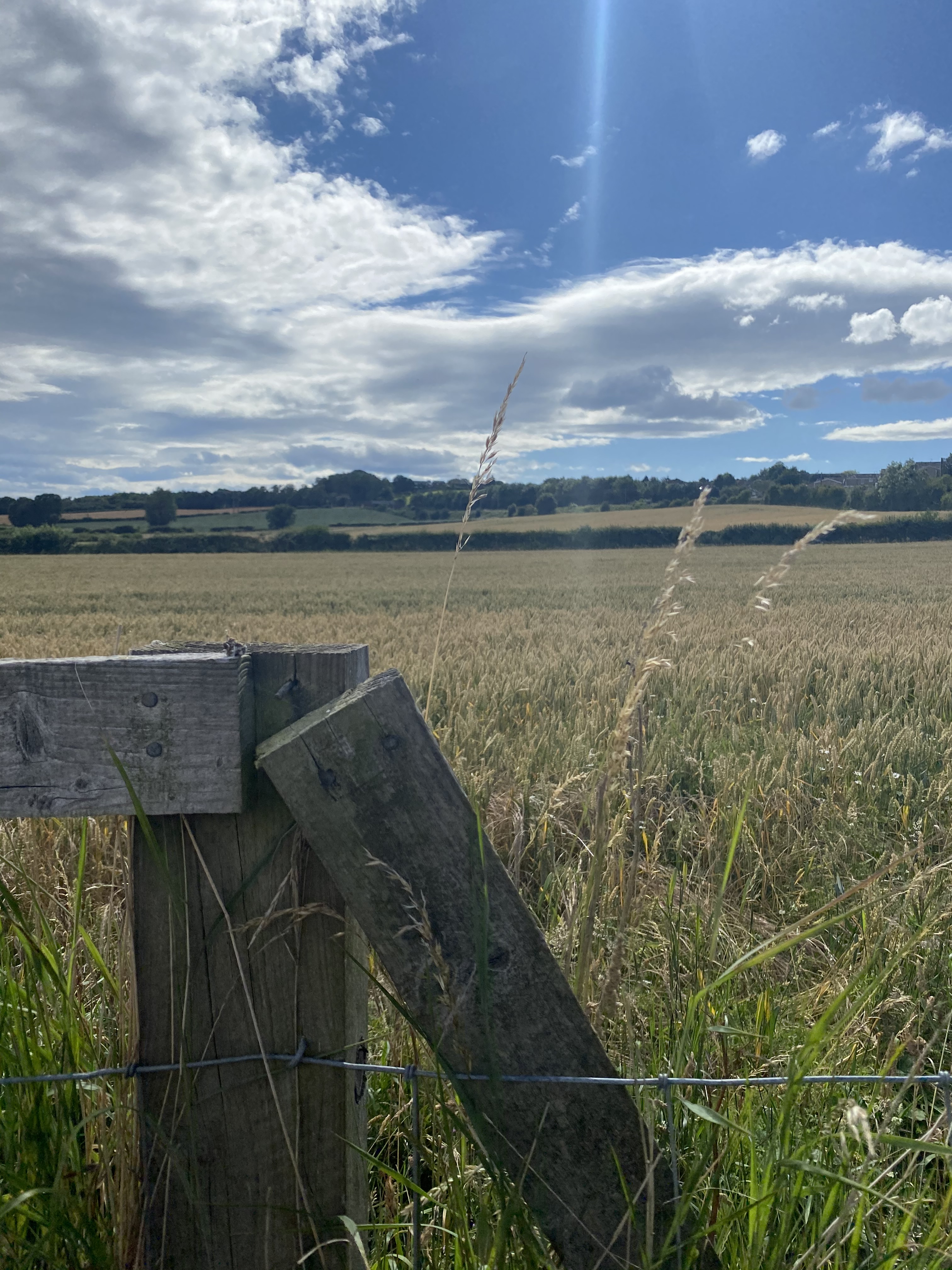
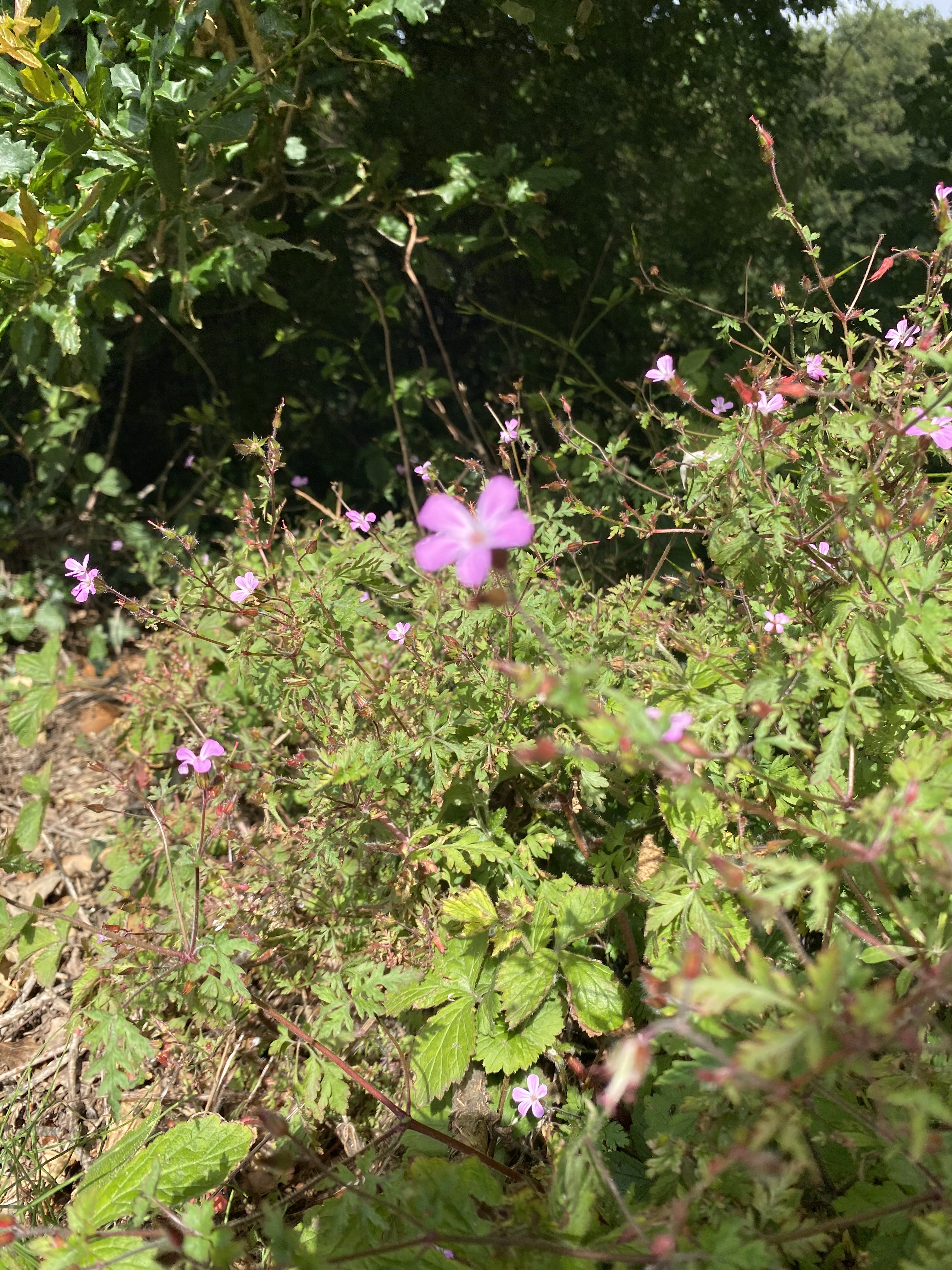
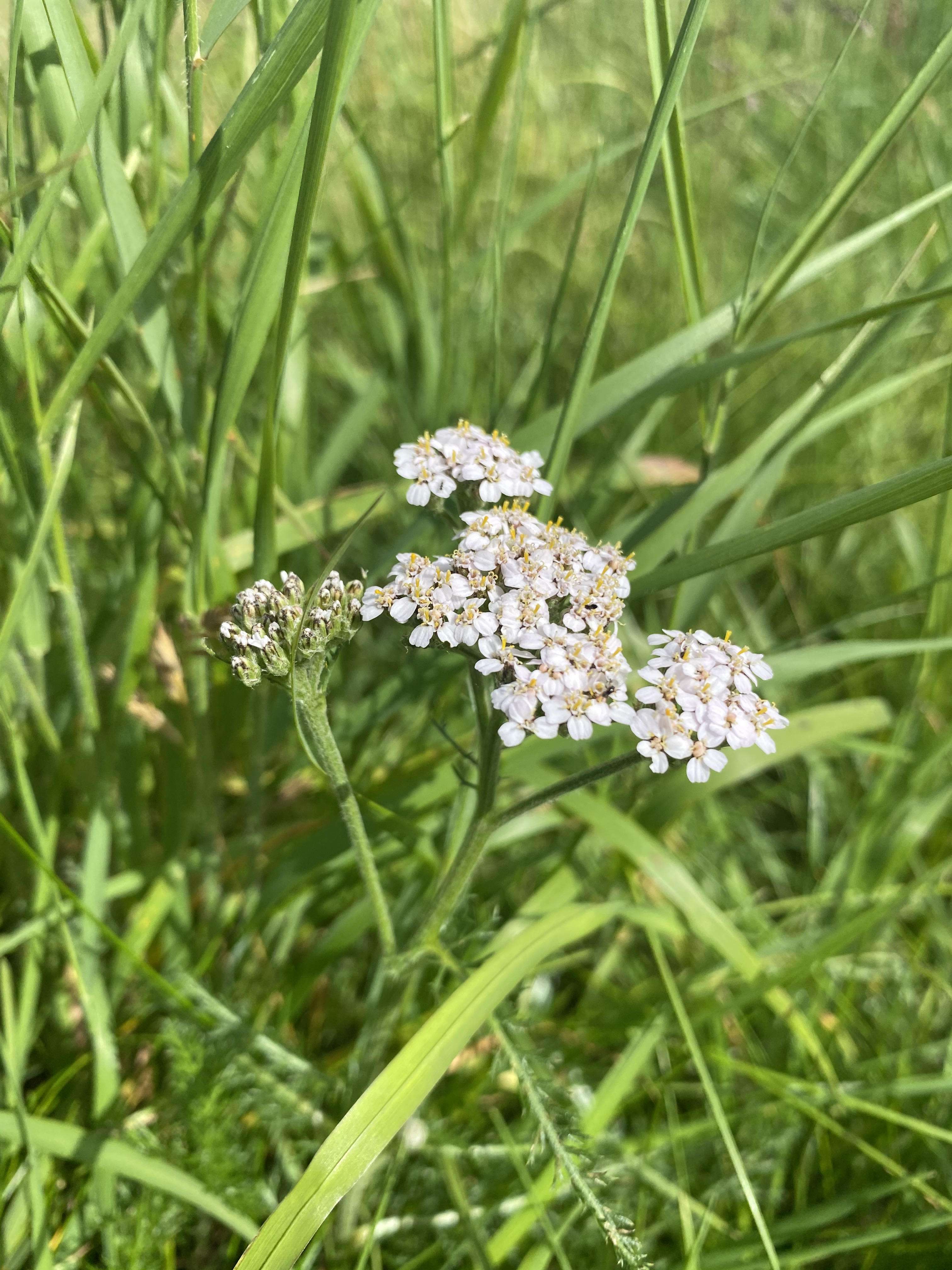
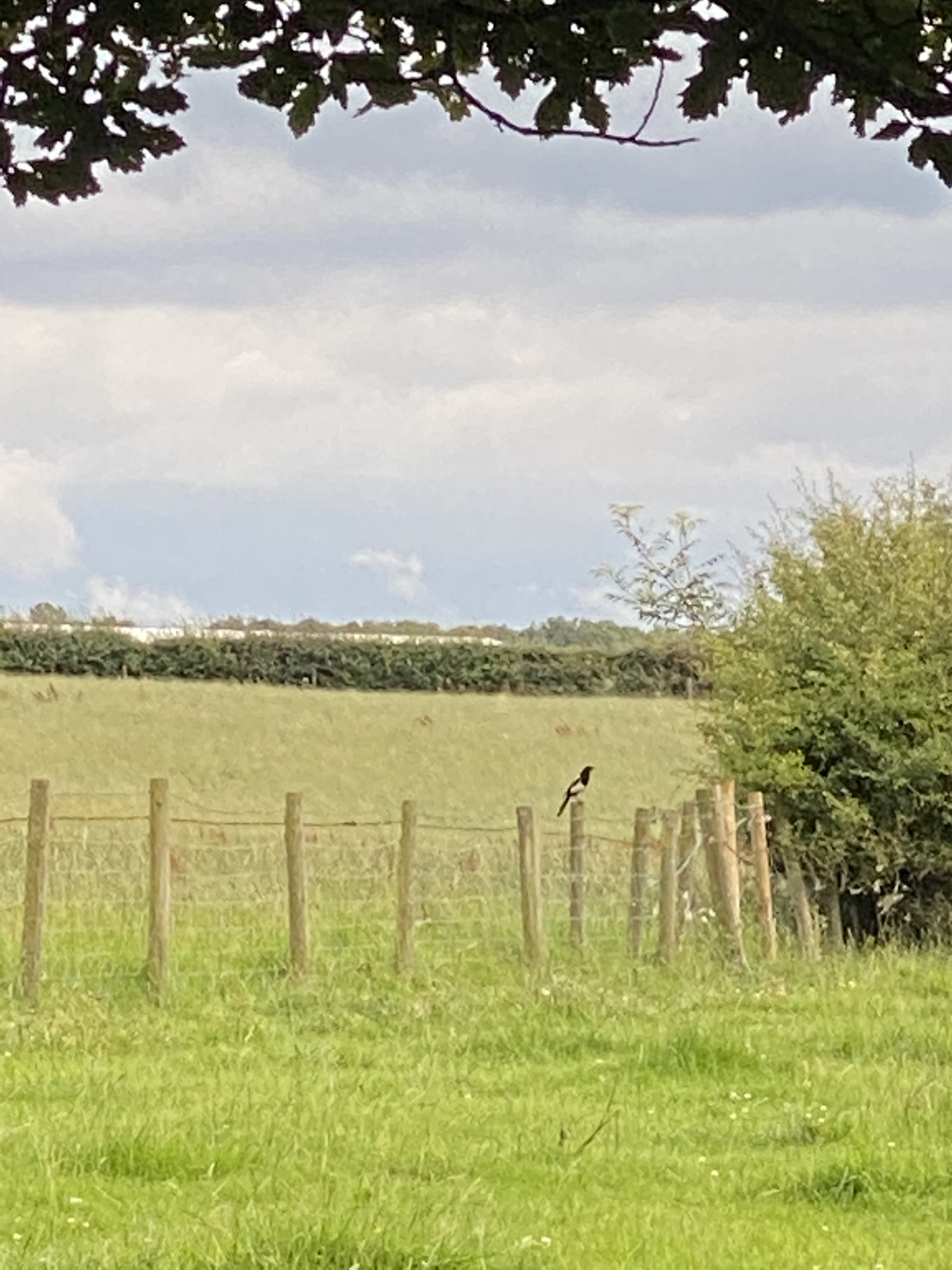
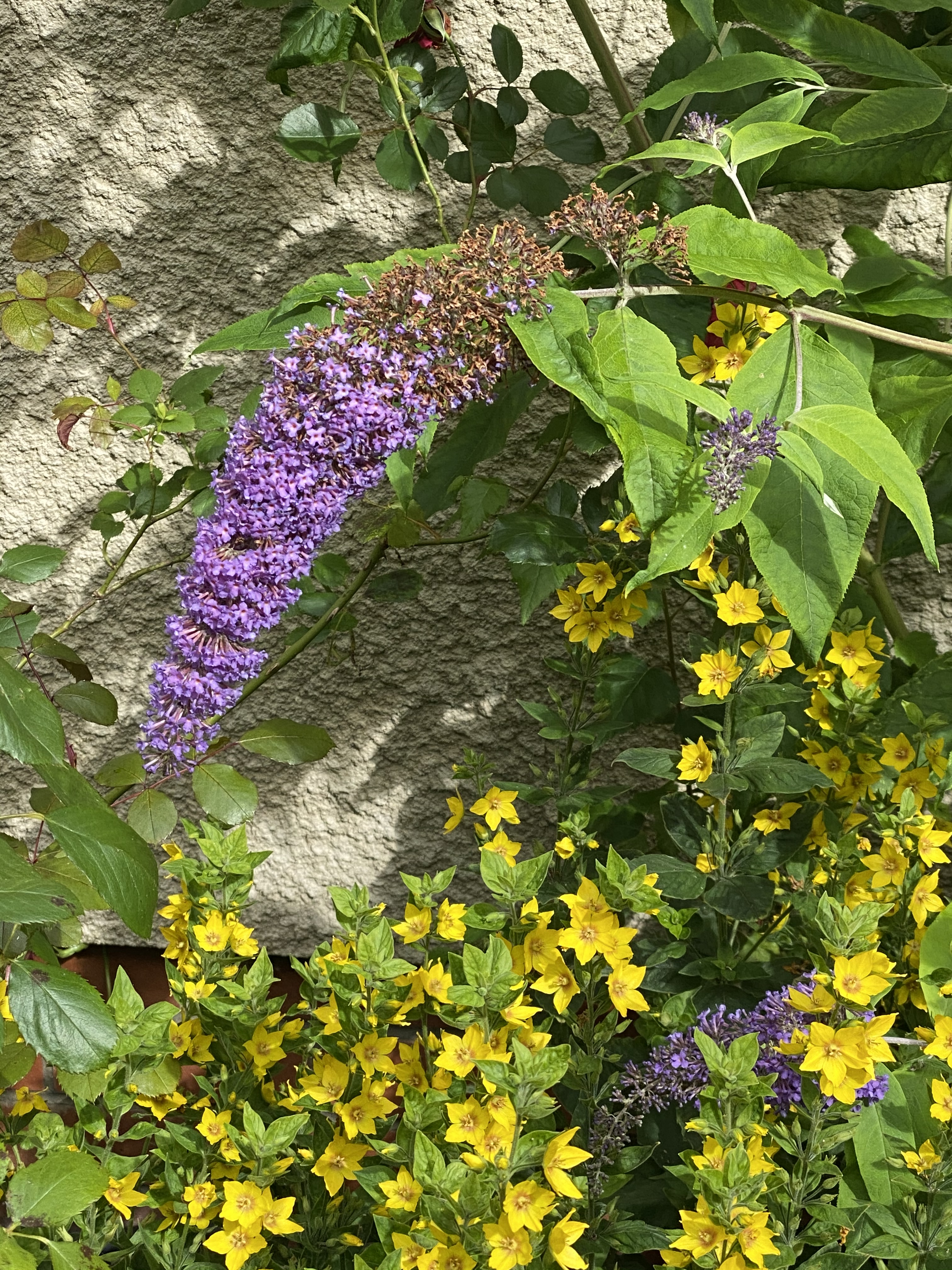
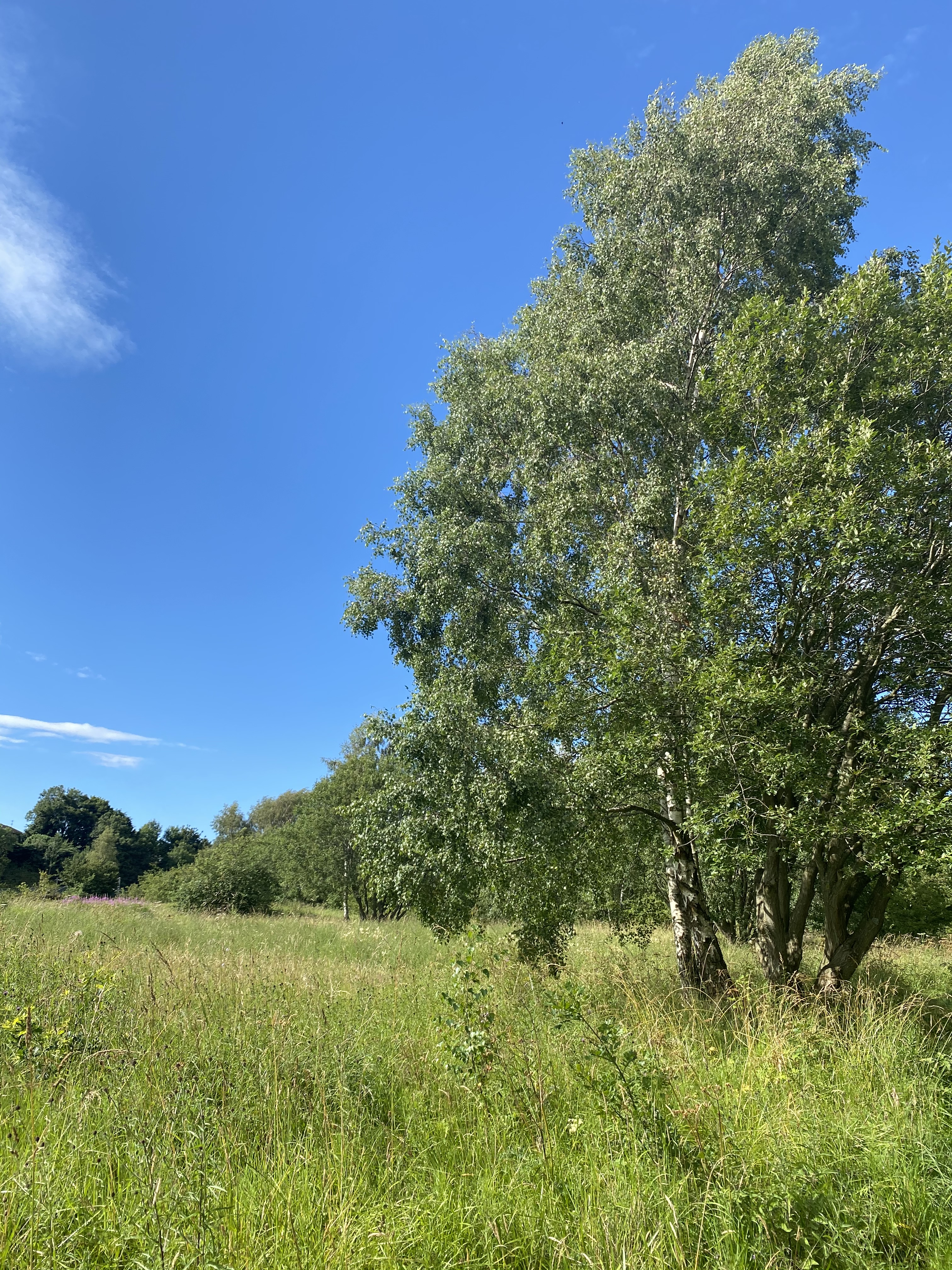
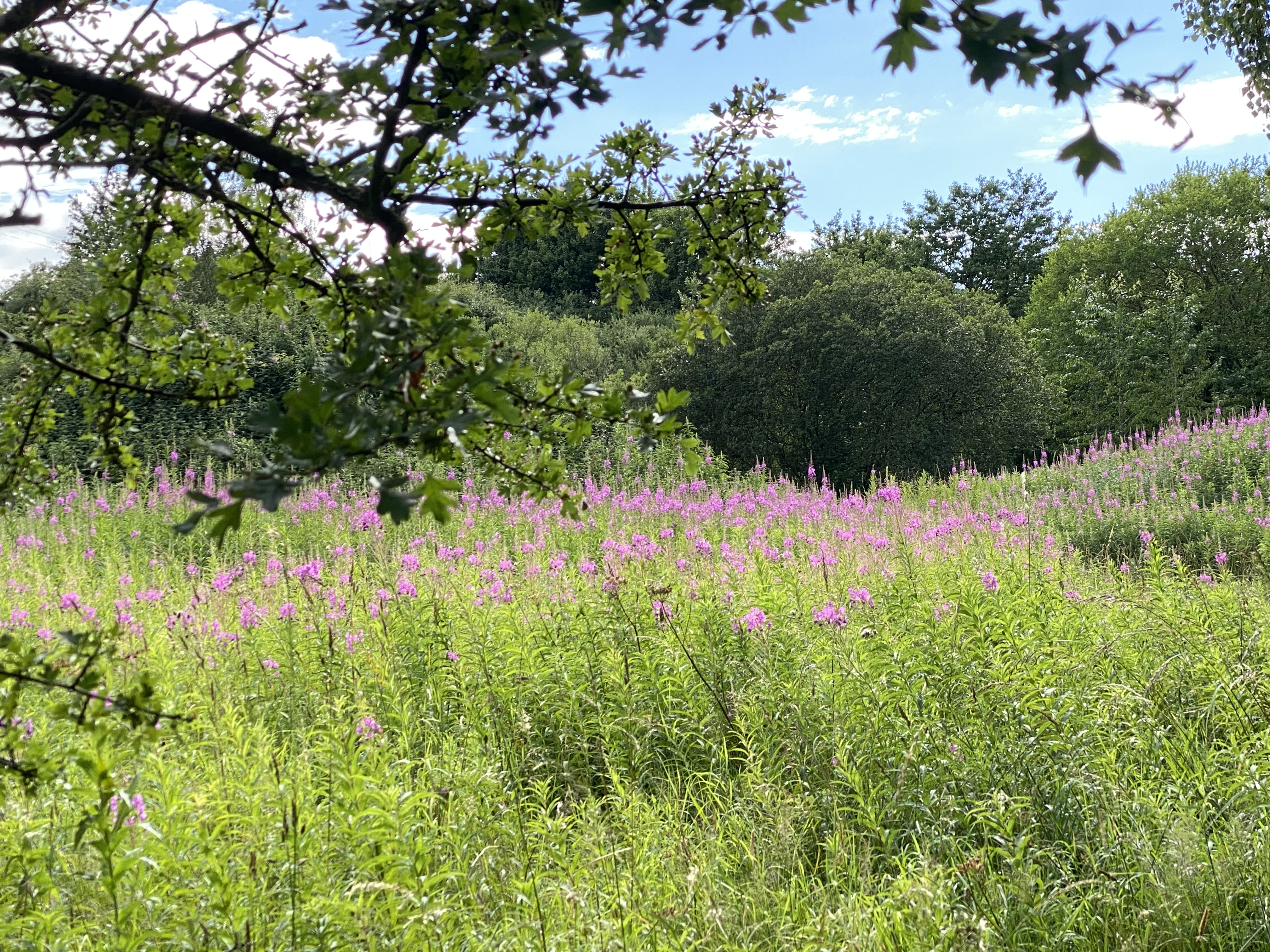
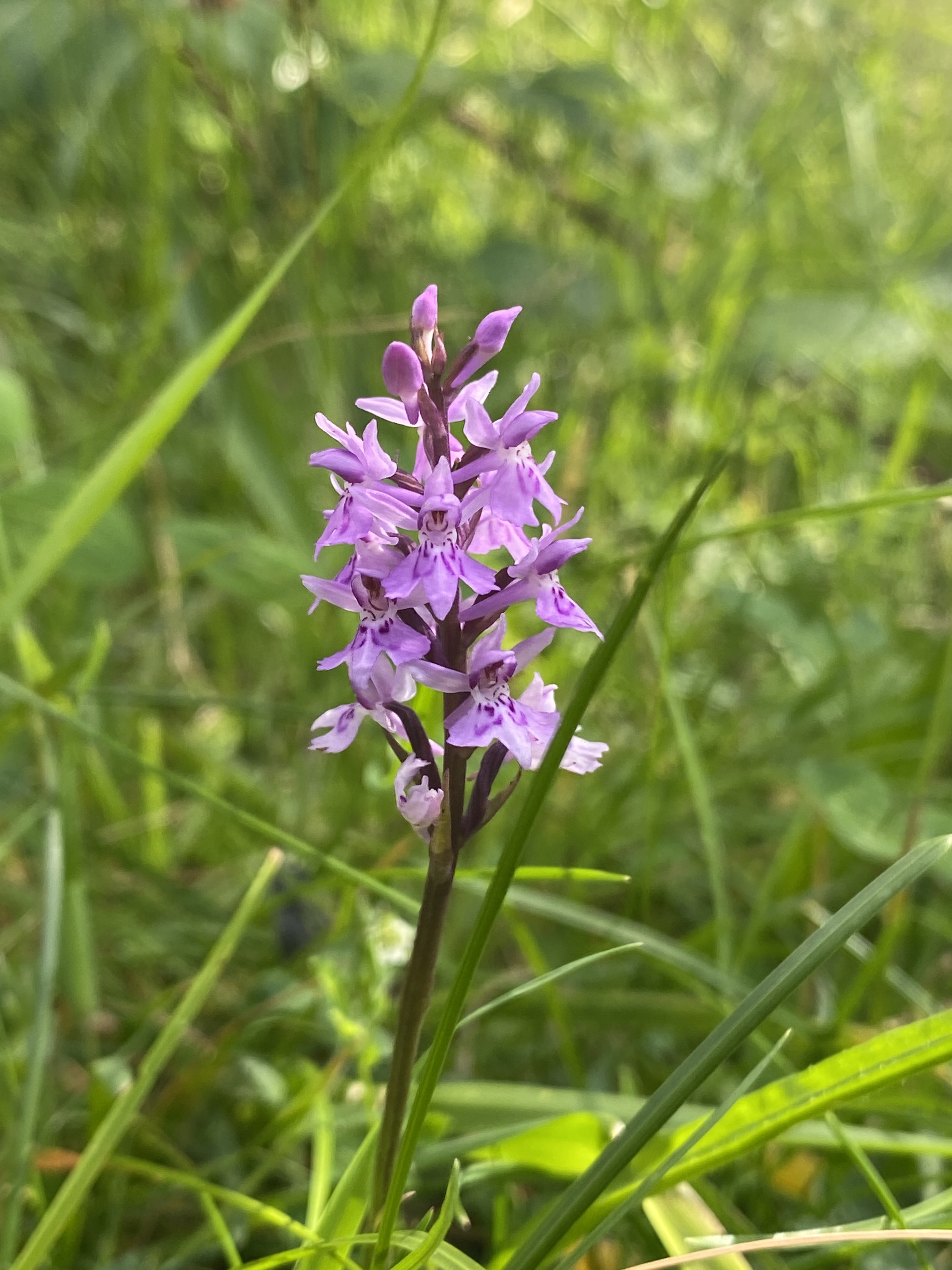
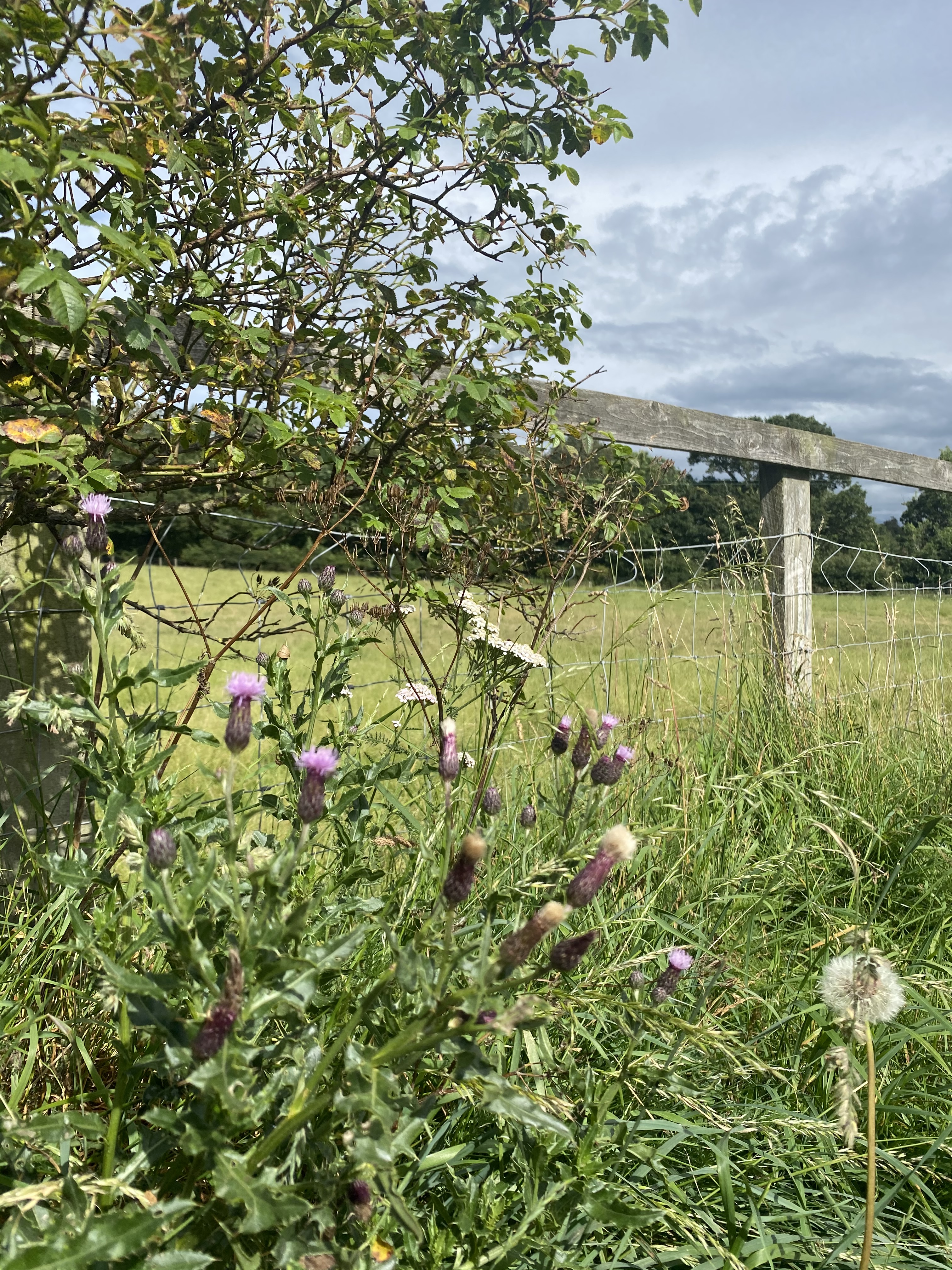
The growing season is well and truly underway, and getting on towards harvest. This is ordinary time and ordinary life at its most captivating and nourishing.
I think a lot about disability. This is not just because I have an 18-year-old with Down syndrome. It is also because I have a profoundly, excruciatingly dyslexic 13-year-old and a 9-year-old whose dyslexia is less devastating.
Knowing about my struggles with dyslexic kids, a neighbour (author and educator Adam Bushnell) kindly lent me Philip Schultz’s memoir, My Dyslexia. I can see why he commented that, for Schultz, dyslexia was ‘like his superpower.’ Having overcome his dyslexia to become a Pulitzer Prize-winning poet, Schultz credits his success to the blocks to reading and writing that seemed insurmountable in his early childhood. Not in spite of his dyslexia did he achieve what he has achieved, but because of his dyslexia.
Maybe so. I don’t doubt that the struggle shaped him. But not all dyslexics are as fond of books and words as he was (and never mind the slipperiness of the definition and diagnosis of dyslexia). And–more importantly–not everyone with dyslexia has his grit. He owes much to his persistent, even indomitable, self-belief: ‘even when the entire world seemed to be ganging up on me, some persisting sense of myself argued on my behalf’. Ditto for the young scientist Schultz admired, who called her dyslexia ‘her secret weapon’. I’d say the credit goes to her consistent, pig-headed determination and sheer force of will. Dyslexia provided her with a mountain, true. Hope and courage enabled her to climb it.
The challenge that people with dyslexia face is the same, at bottom, as the challenge we all face: to ‘learn to love what is weakest and most confounding about ourselves, because and despite and in deference to what is essential about us’ (all quotations p. 117). The great challenge of his life, and mine, and my children’s, and yours, is very simple. It’s all about not giving up.
This is true whether it’s dyslexia or depression or Down syndrome (or just daily life during a pandemic) that challenges us. I almost wrote ‘afflicts’ there; I hesitated because it’s an unpopular way of thinking about disability. So negative. But affliction is exactly what Schultz describes; it’s what my son experiences; it is, if I am honest, the way I experience depression. And it is the affliction that stirs, in some of us, the gritty response that makes for success. The super power of the oyster is not the irritation provided by the grain of sand but the ability it has to smooth over that irritant until it forms a pearl.
In a sense, then, we are the most ‘disabled’ by the conditions that afflict us when we lack either the ability to recognise the grain of sand or the mountain for what it is, or we lack the hope and courage to surmount it. Most days, I would say that Anna, my 18-year-old with Down syndrome, isn’t especially ‘disabled’ by her genetic idiosyncrasy. Having thought through Schultz’s book, though, I see that’s not exactly what I mean. In terms of sheer not-being-able-to-do-stuff, Anna is always going to ‘win’ the competition for the most disabled. Yet she is not usually afflicted by her condition, and I am beginning to see why: she doesn’t see the summit. We clamber around on the slopes together, but there’s no determined ascent.
Maybe that’s why I’m still a little uncomfortable with these thoughts about mountains and overcoming. Why do some people make it to the top while others are defeated by the summit? I don’t know. I may not know much more about disability than I did before reading Schultz’s book. But I have seen in a new and crystal clear way that my kids who need to see the summit and learn to climb need grit more than any other intervention. And that is more helpful than I can say. Thanks for the loan, Adam.
 a theologian in the family